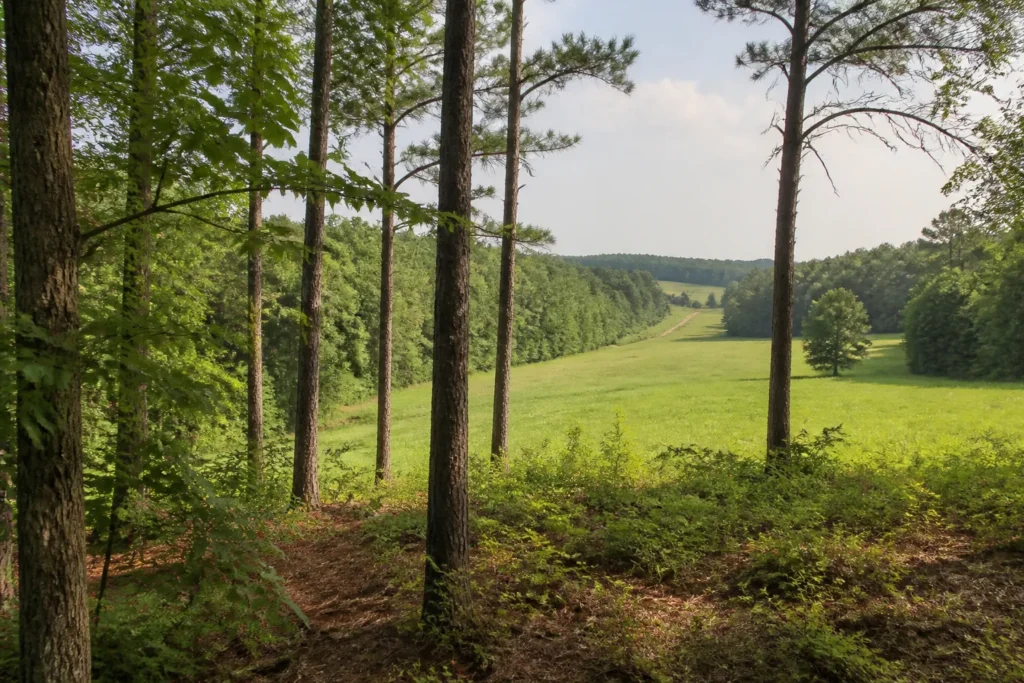
If you need to sell vacant land fast in Mississippi, start by finding out what could make a buyer pause: unclear ownership, limited access, unpaid taxes, an unrealistic asking price, or missing property details. The best route depends on whether you value a wider search for buyers, less marketing work, or a more direct conversation. No method guarantees a sale date, but good information and realistic terms can reduce avoidable delays.
Ways to sell vacant land in Mississippi
Land is different from a house. Buyers often need to understand the parcel’s location, access, terrain, utilities, and possible uses before deciding whether it fits. These are the common selling routes, each with a different balance of effort, exposure, and control.
Work with a land agent
An agent who regularly handles vacant or rural property may help you think through pricing, prepare a listing, answer buyer questions, and coordinate the transaction. Ask how the agent markets land, what services are included, what fees or commission apply, and whether the listing agreement fits your plans. A listing can reach buyers looking for a particular county or property type, but it does not guarantee an offer or a quick sale. You may also need to gather information and make the property easy to evaluate.
Sell by owner
Selling by owner gives you control over the asking price, photos, advertising, and conversations with interested buyers. You can speak directly with people who already know the area or have a use for the property. The tradeoff is that you manage the marketing, inquiries, buyer screening, offer comparison, and coordination with the closing professionals. Before accepting an offer, make sure you understand its conditions and the estimated amount you would receive after agreed costs.
List on land marketplaces
Land-focused websites and online marketplaces can put a parcel in front of people searching for acreage, timber, hunting or recreational property, or a rural homesite. A listing is only as useful as its information. Include the county, parcel or tax account number if appropriate, approximate acreage, photos, road access details, known utility information, and a clear way to contact you. Review each platform’s fees, advertising terms, and buyer-screening tools. Be cautious with anyone who asks for sensitive information or money before explaining the transaction.
Sell directly to a land buyer
A direct land buyer may review the parcel without a public listing, which can remove some advertising and showing steps. Buyers may consider vacant, wooded, rural, or recreational land, but each evaluates property differently. A cash offer is not the same thing as a guaranteed closing date. The buyer may still need to review ownership, access, taxes, and title before moving forward. For an overview of this route, see our pages on selling vacant land and cash offers for land.
What can slow down a land sale?
Many delays come from questions that could have been raised earlier. You do not need to solve every issue before speaking with a buyer, but it helps to identify what is known and what still needs checking.
Ownership, title, and multiple owners
The deed, tax record, and family understanding of ownership do not always tell the same story. A property may involve an estate, several co-owners, an old deed, or a name change that needs documentation. If multiple people may have an interest, ask a title company or qualified attorney what records and signatures are needed for your situation. Do not assume that one owner can complete a sale for everyone.
Back taxes, liens, or tax-sale questions
Unpaid property taxes or other recorded claims can affect the figures and paperwork involved in closing. The amount, status, and history matter, so request current information from the appropriate county office and tell the closing professional what you know. A tax notice alone may not explain the full title picture. If taxes are delinquent, a tax sale may have occurred, or a lien is unclear, speak with a qualified title professional, attorney, tax professional, or county official before relying on an assumption. Our general pages about selling land with back taxes and selling land with liens may help you prepare questions.
Access, utilities, terrain, and property condition
Buyers may ask whether the land connects to a public road, has a recorded access route, or is reached by a private road. Physical access and documented access are different questions, so share what you know and let the appropriate professional review unclear records. Also describe any known utility availability without promising a connection. Steep or uneven terrain, wet areas, drainage, heavy timber, open pasture, or a creek may affect how a buyer views the property. Hunting or recreational value can matter to some buyers, but it does not replace basic checks on ownership, access, and use.
Missing information or an unrealistic asking price
If a buyer cannot identify the parcel or understand how to reach it, the conversation may stall. A parcel number, county, map pin, approximate acreage, recent tax bill, and clear photos can answer basic questions. Price can also narrow the pool of interested buyers. A number based only on a neighbor’s asking price or the tax-assessed value may not reflect the features of your tract or recent comparable sales. Consider how acreage, frontage, utilities, terrain, timber, drainage, and location compare with similar land before settling on a price.
How long might each selling method take?
Think about two separate stages: finding an acceptable buyer and completing due diligence and closing. A direct buyer may be able to review a property without waiting for public advertising, but title review, tax questions, missing records, or multiple signatures can still take weeks or longer. With an agent, a marketplace listing, or a for-sale-by-owner approach, the buyer search may take weeks or months, depending on the parcel, price, presentation, and demand. Once an offer is accepted, the closing process still depends on the contract, records, and the people involved.
These are broad process descriptions, not a promise or estimate for a particular property. Ask each potential buyer or representative what steps remain, who is handling them, and what could change the expected schedule.
How pricing affects speed
A price that is far above what comparable parcels and property features support can reduce inquiries or lead to a long negotiation. Pricing too low can leave money on the table. Recent sales of similar land can be a useful starting point, but compare more than price per acre: parcel size, road frontage, access, utilities, terrain, timber, flood or drainage concerns, and proximity to services can all differ.
A direct buyer’s offer may not match a hoped-for listing price because the buyer is evaluating the property, the time and cost of resale or improvement, and the risks they are willing to take. Compare the written offer’s terms and estimated net proceeds with the likely costs, time, and effort of other routes. A tax-assessed value is prepared for property-tax administration and is not automatically the price a buyer will pay. For Mississippi property-tax context, the Mississippi Department of Revenue’s property tax FAQs explain the roles of local offices and how property-tax values are used.
Prepare property information before you contact buyers
You can make the first conversation more useful by collecting what is readily available. Do not delay asking a question just because one record is missing. Be clear about what you know, what you have not confirmed, and what you are still looking for.
- Location: county, nearby road or community, parcel number, and a map pin or basic map.
- Ownership: a copy of the last deed if you have it, the names shown on records, and any known co-owners or estate issues.
- Taxes: the latest property-tax bill or receipt and any notices you have received. Ask the county tax collector about the current balance rather than guessing.
- Access: the road used to reach the tract, known frontage, any private-road arrangement, and documents you already have about an easement or access route.
- Land features: approximate acreage, open or wooded areas, timber, terrain, drainage, utilities you know about, and past or current recreational use.
- Known concerns: liens, disputes, boundary questions, tax-sale notices, leases, or other obligations. Share facts without presenting an unverified assumption as settled.
Photos taken from places you are allowed to access can help describe the property. Aerial or online maps are useful for orientation, but they are not a substitute for confirming legal boundaries or access rights.
Mississippi records and flood resources
Property information is handled locally. The Mississippi Department of Revenue explains that county tax assessors handle property valuation, tax collectors handle property-tax collection, and chancery clerks maintain public land ownership records. Start with the county offices where the parcel is located, and ask which online search or records request is appropriate. The department’s Local Property Appraisal page describes these roles, and its property-tax FAQ is a useful starting point for tax-record questions. The Mississippi State and County Directory can help you identify county offices.
For flood-hazard information, search the FEMA Flood Map Service Center using an address, place name, or location details. A map is one research tool, not a guarantee about drainage, insurability, or conditions on the ground. Ask a qualified professional if the result raises a property-specific question.
If you are researching a particular area, see our county pages for Franklin County, Greene County, Wayne County, and Walthall County. Our Mississippi land page has the broader state overview.
Questions to ask before accepting a cash offer
Take time to understand the offer, even if the buyer is ready to move quickly. Ask for the terms in writing and consider having a title company, attorney, or other qualified professional review anything you do not understand.
- Who is the buyer, and will that person or company be the party closing on the purchase?
- What is the offer price, and what costs or deductions could affect the amount I receive?
- Is the offer contingent on title review, access, taxes, inspections, or another condition?
- What information does the buyer still need, and when will the offer be reconsidered?
- Which title company or closing professional will handle the transaction, and who pays which costs?
- What happens if a title, tax, access, or ownership issue is found?
- Is there a deadline to accept, and can I take the written offer away to review it?
Compare the full terms, not just the headline price. Be wary of pressure to sign immediately, vague deductions, or a promise that every issue will be handled without explaining how. A straightforward buyer should be willing to explain the steps and let you ask questions.
Choose the route that fits your land and your priorities
If broad exposure and time to market matter most, a well-prepared listing may fit. If you want to manage the sale yourself, a marketplace or owner listing gives you control but adds work. If you prefer a direct conversation, you can compare an offer from a land buyer with your other options. The right choice depends on the property, your timing, your comfort with the process, and the written terms.
This guide is general educational information, not legal or tax advice. Complicated ownership, probate, tax-sale, lien, title, or access situations may need help from a qualified attorney, title company, tax professional, or county official.
Want to compare a direct offer?
If a direct offer is one option you are considering, share the property details through our Mississippi offer form. You can review the terms before deciding whether they fit your plans.